
[Case Study] Sanctuary #3 Report
What we've learned in Chiang Mai in January and what we'll do differently next time.

This report outlines Chapter #3 of the Sanctuary. Over three weeks, five experts across different fields shared a house to accelerate progress on their personal projects, learn from each other, and have fun in Chiang Mai.
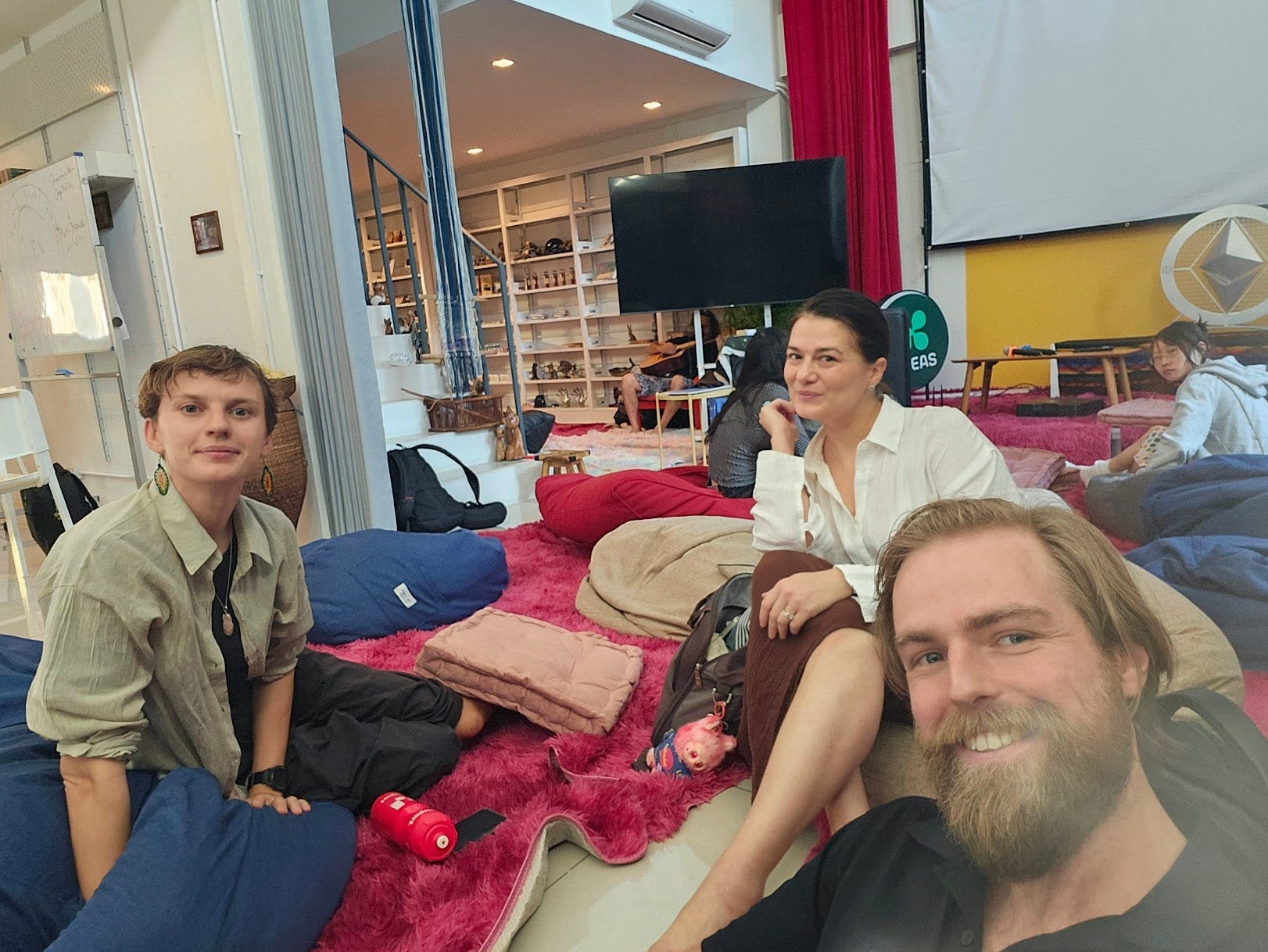
Everyone in the group has their own research focus. In addition to clarifying the value of Sanctuary, I was attempting to answer the following questions:
What are potential business models for the Sanctuary?
What does the environment need to support peer-to-peer skill sharing?
Overall, I learned about four potential directions for business models, found that skill-sharing at a small scale doesn’t need monetary components. Additionally, we learned that online participation deserves a separate program design, and that user testing and research can be a way of building trust in an unknown environment.
Sanctuary is not a retreat; it’s a research project that aims to prove viable alternatives for global life exist. This time, we were 5 people on-location and 3 who joined online, working on 6 projects in total.
Below, I am going to break down the insights and learnings from this experience.
Limitations
Please remember that even though we’re ambitious about research, pay close attention to behavioral data, and show fancy graphics, our sample size of 5 residents and 3 online participants is still fairly small.
If you would like to help us increase our sample size by joining or connecting us to others who might be interested, send me a DM in Telegram.
Core insights
Sanctuary increases confidence in participants’ projects
To start on a positive note, previous comments from participants suggested that Sanctuary increased their confidence in their projects. In the internet arena of overfunded companies boasting high valuations, it can feel daunting to compete with a passion project.
The isolated, intimate container with mutual support, however, made everyone feel more comfortable sharing their progress and celebrating each other’s wins.
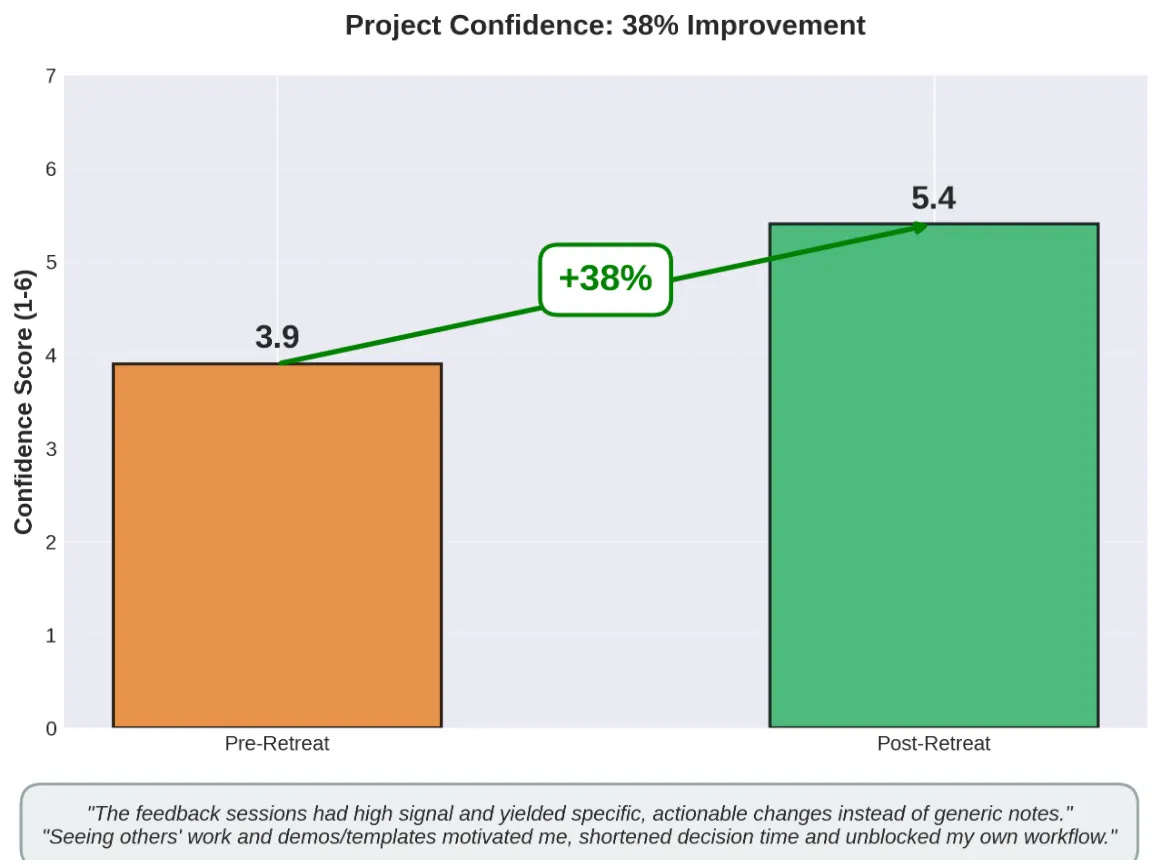
This is a good sign for the future of web3 tech. Peer feedback (especially in verbal form) is fleeting. Whereas on-chain attestations are difficult to modify/remove, and can therefore extend the period we feel confident in our abilities.
Mostly a container for collaboration and a talent network
The container (the accountability, the structure, the dedicated time/space to focus) along with the network (access to expert peers, serendipitous feedback, learning from others) seemed to contribute the most to meaningful experiences in the team.
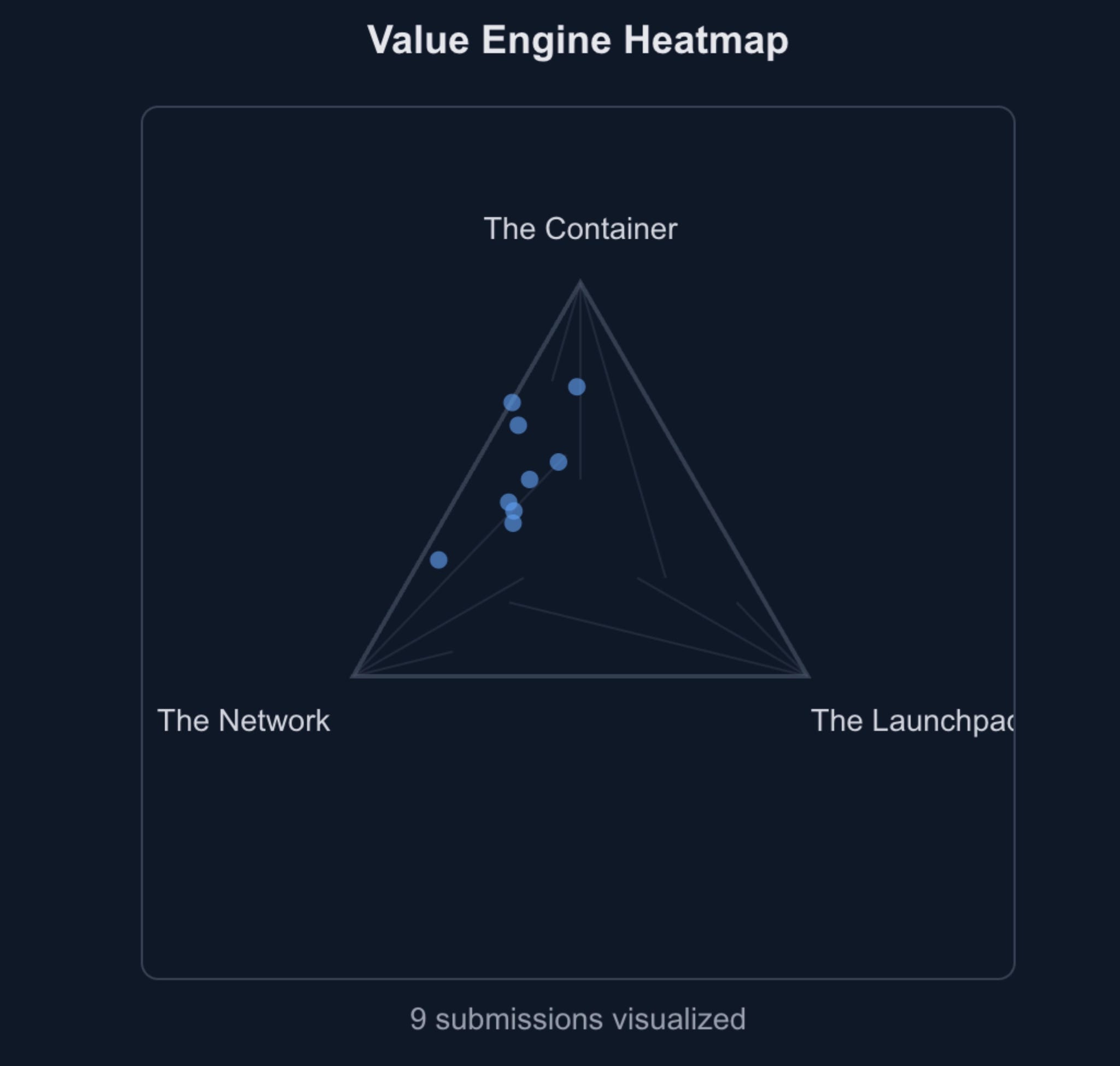
Here, again, long term we will need to remember people’s contributions, skills, and payments to assess how valuable someone in the network can be to us. Privacy-preserving web3 infrastructure that supports self-sovereignty of data can be helpful here.
Longevity & health are the foundation, not a nice-to-have
Sanctuary (as the name suggests) intends to support its residents as a safe space for personal and social well-being, broadly defined as longevity. Unfortunately, this time we missed that mark.
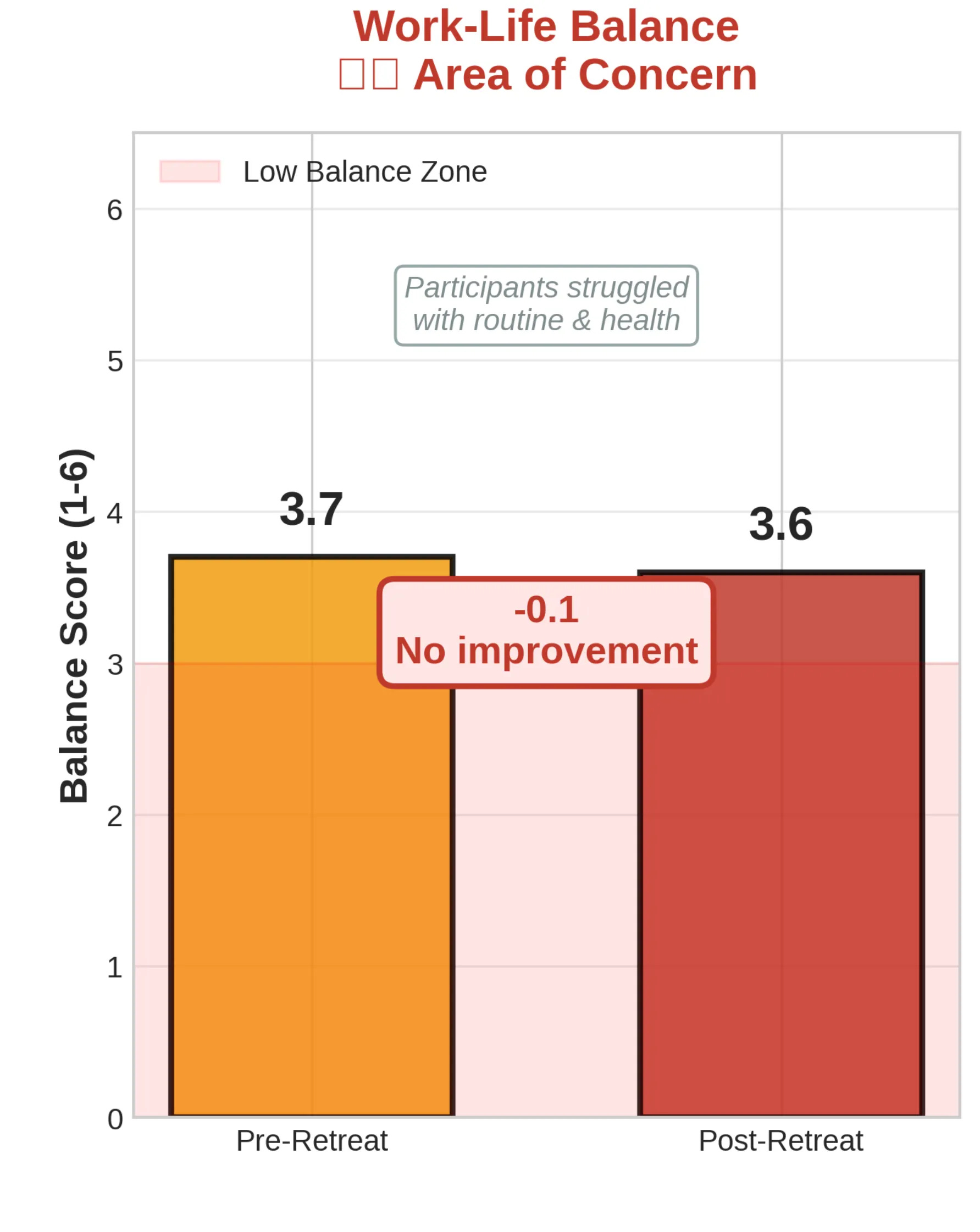
In the rating of the value Sanctuary provides, the balanced environment slipped to the bottom.
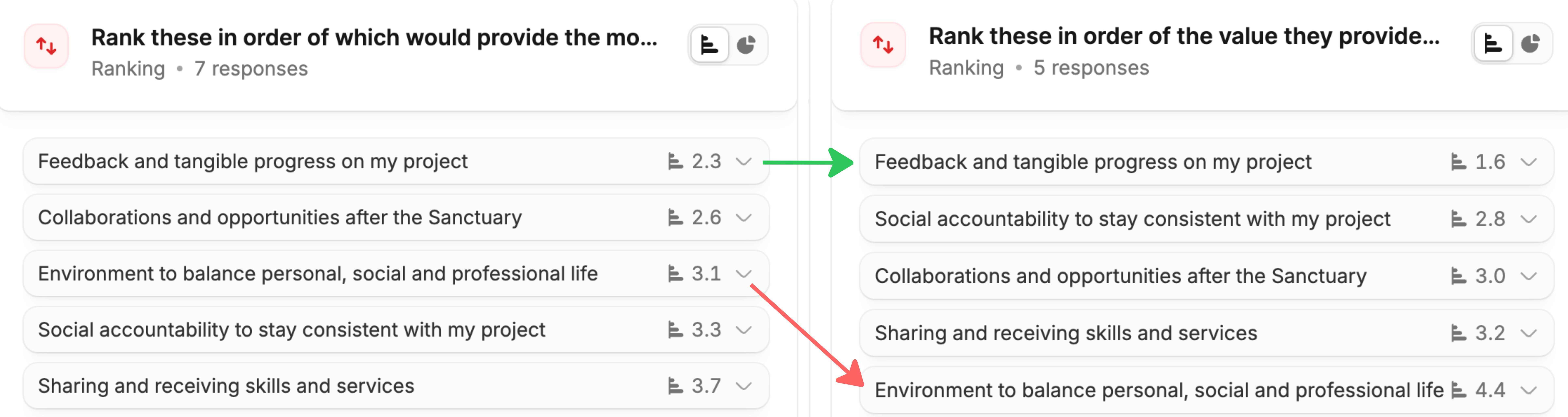
My interpretation is that it mostly came as a consequence of multiple decisions, and can be mitigated by focusing on the following:
Picking a place that is suitable for outdoor activities, in a quiet area. Even if the price tag is slightly higher, it’s a key part of the value proposition.
Ensure there is a way to silently exit. If someone is uncomfortable and wants to leave, they are currently stuck and (depending on personality) may build up tension.
Consider scheduling dedicated events that support our health and longevity. Even if it’s simply a 7-minute ab workout every day, discussing and visualising it acts as a reminder that health is important.
Ultimately, it’s a Sanctuary. We come here to rest and recover. Without a base that supports life, none of the exciting projects and participants can grow sustainably.
Purposefully designed conditions for unique work environments
Considering the negative impact of existing working environments on health, creativity, authenticity, and productivity, I see clear limitations in scaling traditional organizations. My ambition and hypothesis are that if we design conditions to create a supportive environment, we should see improvement in life satisfaction.
To test our design decisions, I referred to the Candril Ladder from Gallup (thanks to Chloë from Scrum Inc. for the inspiration).
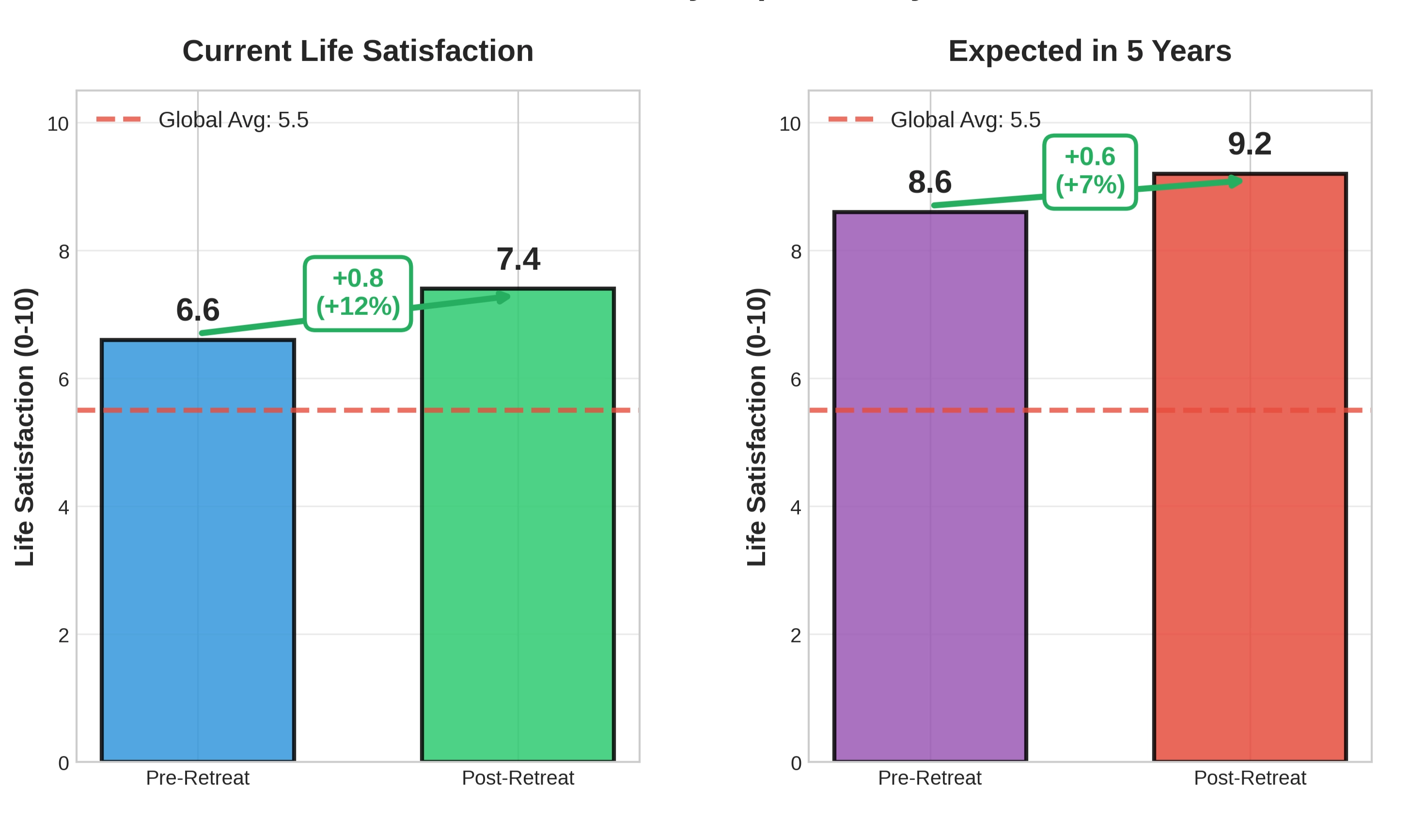
Currently, by “design” I’m mostly referring to the co-created schedule and activities. A more detailed breakdown is in the Approach section below.
David Ben Kay, whom I interviewed as part of a panel for EthChiangmai, suggested that creative spaces carefully design the physical structures to support the creative state. IDEO, for example, uses raw concrete tables and big sheets of paper to encourage imperfection.
Skill sharing, but without financial exchange
The Ethereum Bazaar from Ori Shimony inspired me to learn what design is needed to support more peer-to-peer collaboration and skill sharing among people close to each other.
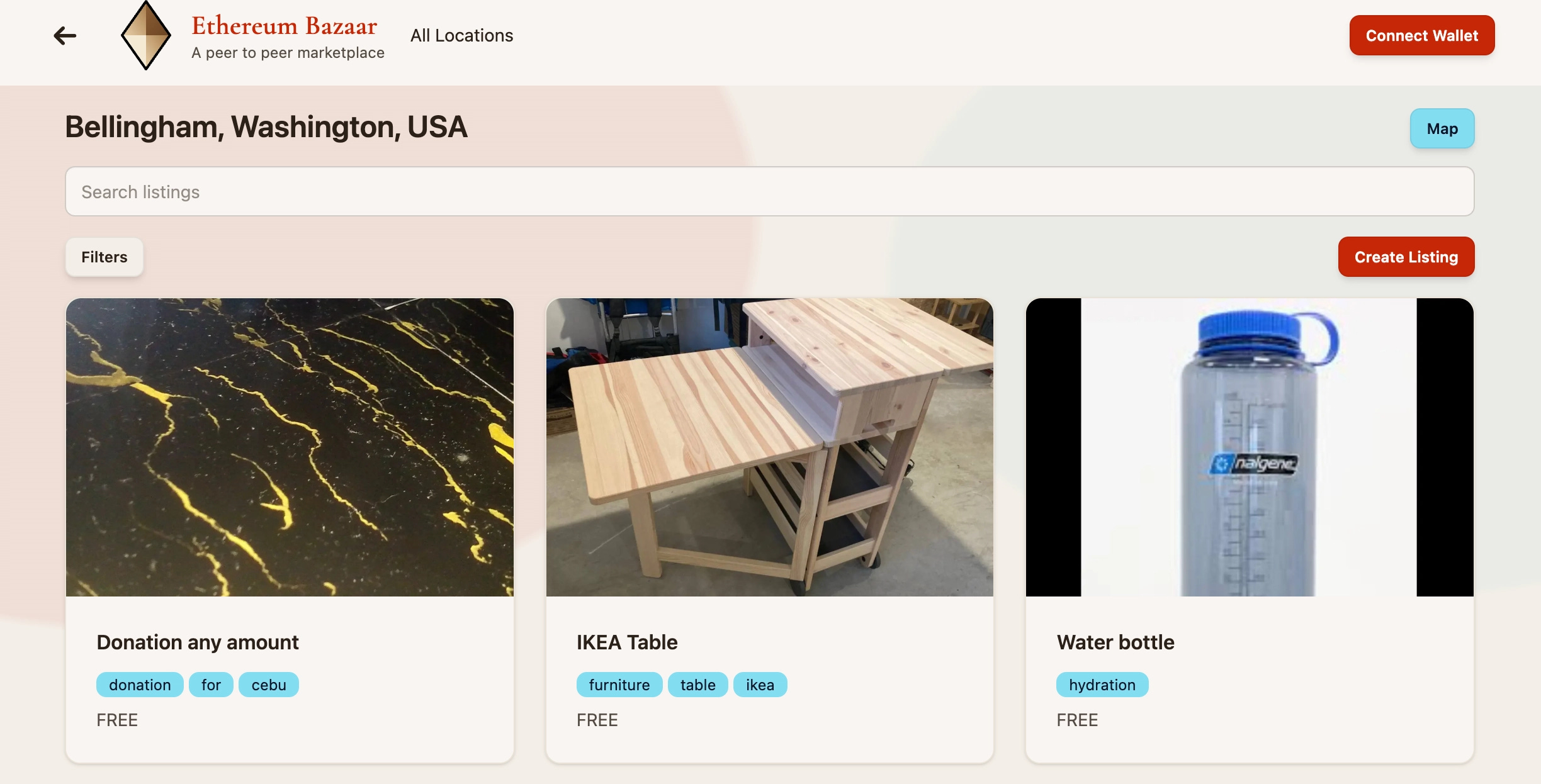
At first, I tried re-creating a similar dashboard with the skills and participants.
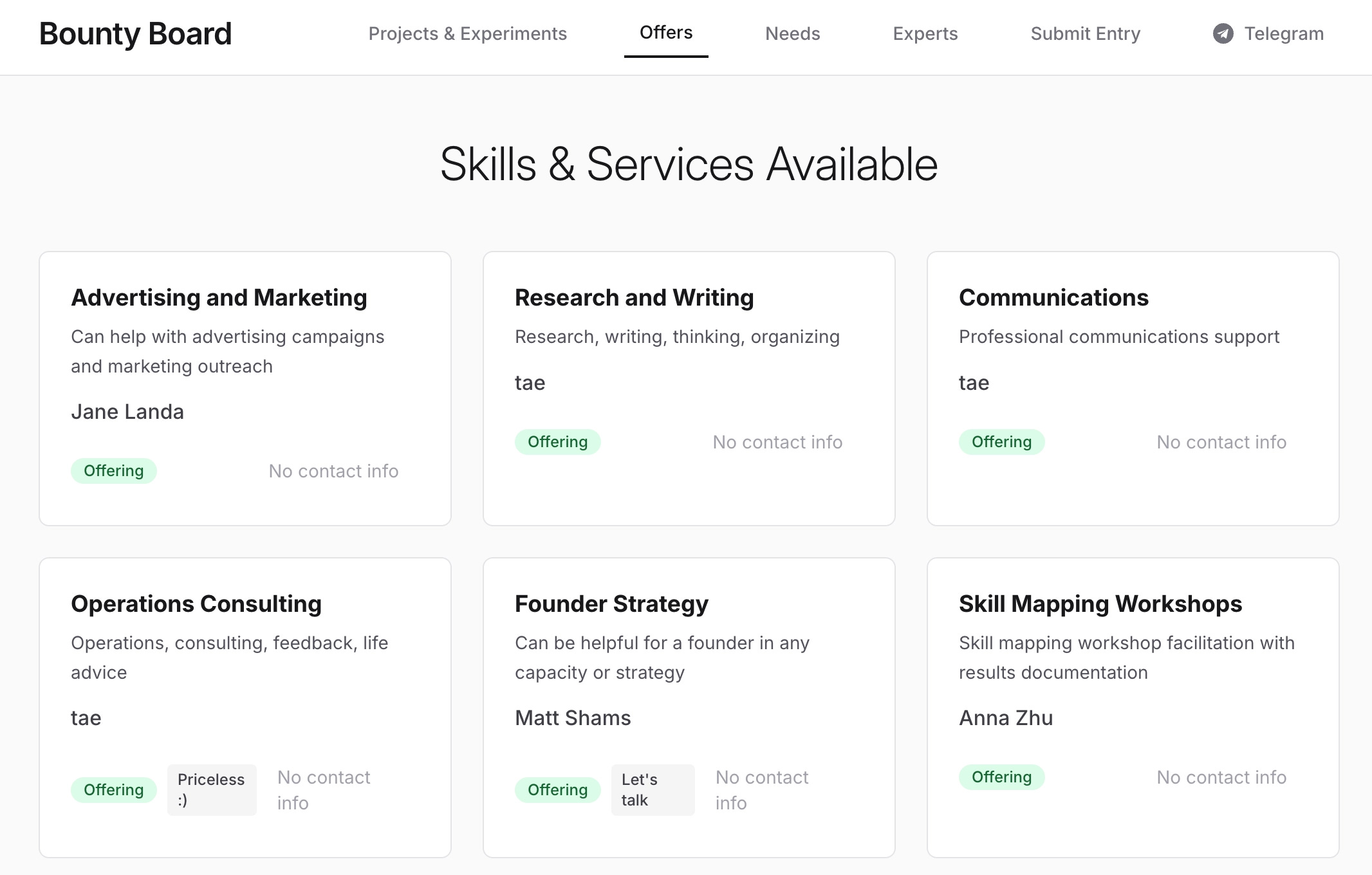
But it seemed not clear why someone should care. After two rounds of feedback, I understood that what we really need is something like a digital flyer - that our team can look at to understand who is there, and share with others outside of the Sanctuary.
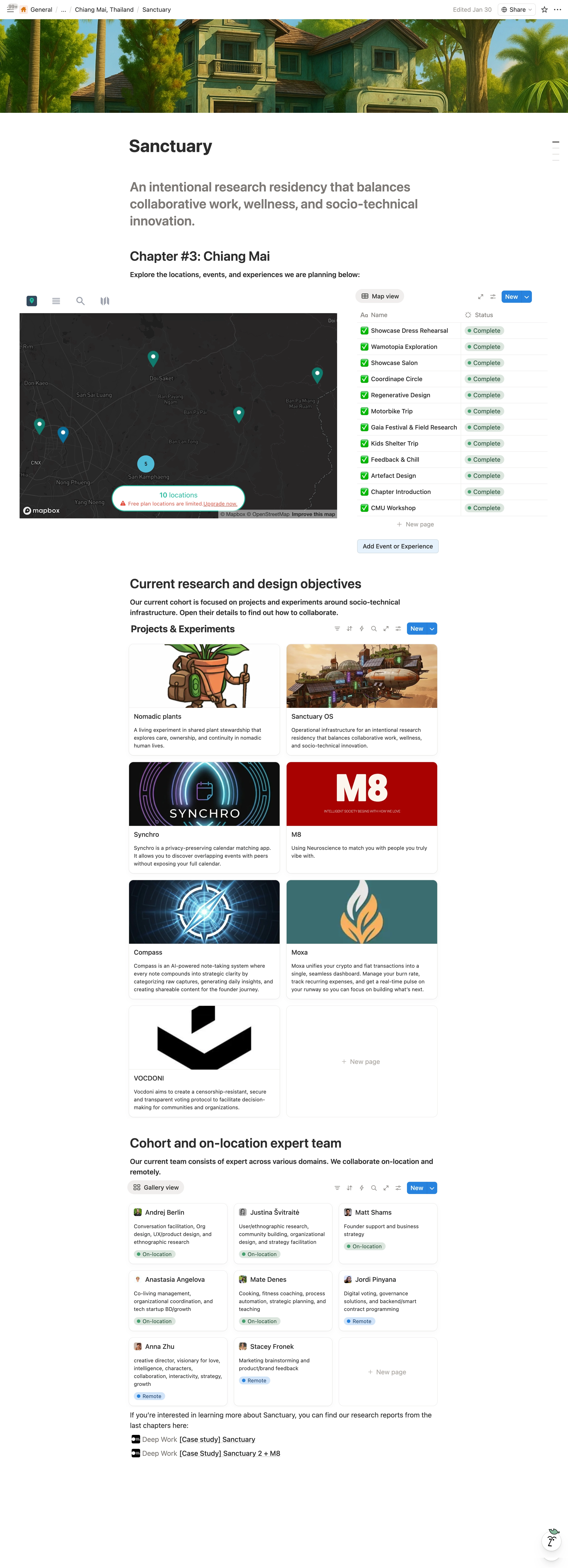
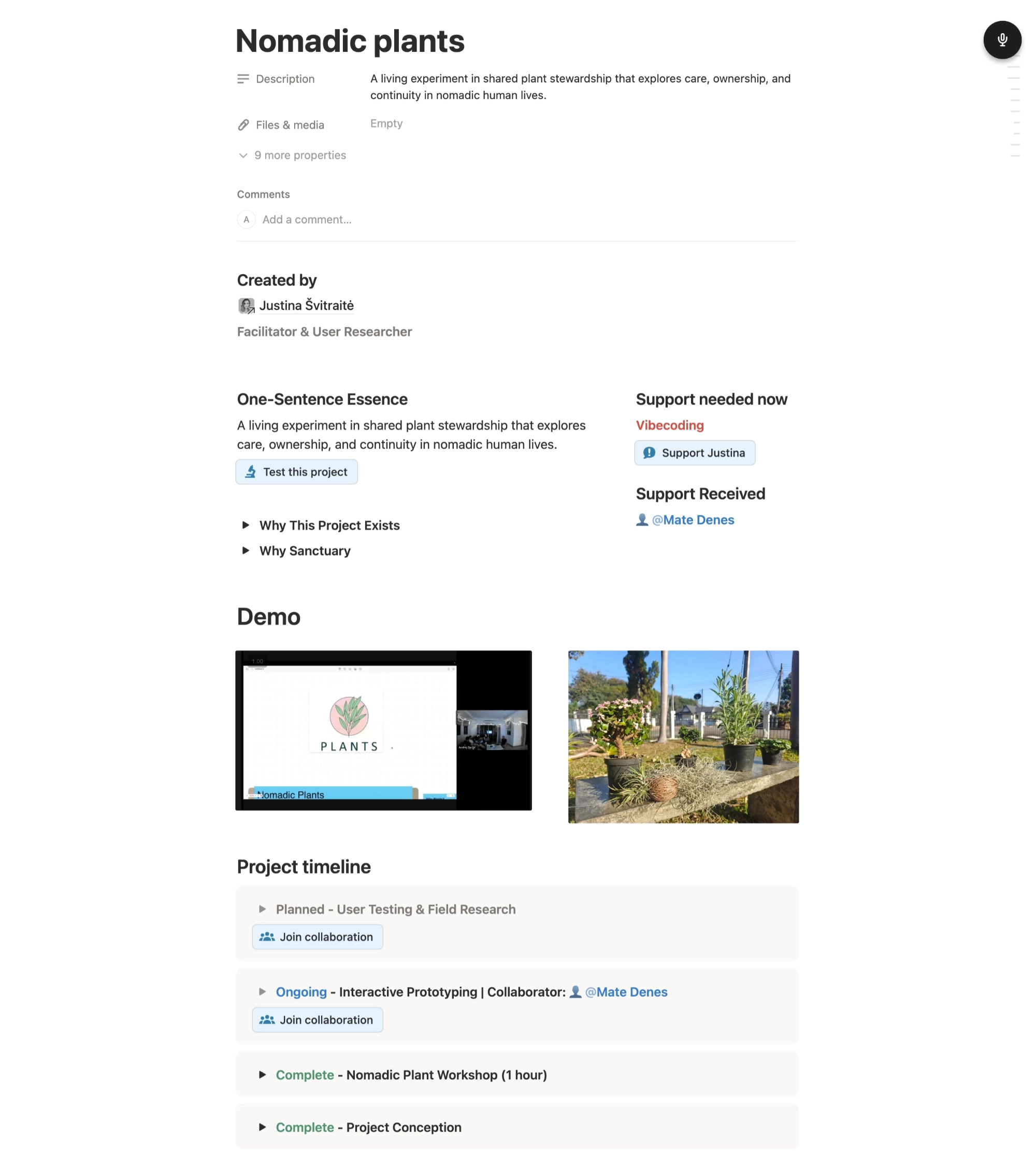
I was wondering if anyone would hire each other from the internal team for small paid bounties. The pricing on the marketplace seemed helpful, but nobody actually paid or was paid for services. Instead, we saw a lot of support and collaboration, which seems like a more reasonable alternative.
On-location vs. online are distinct experiences
Bridging online and IRL experiences seemed like a good idea in December, as there were multiple people and projects from across the world. They were interested in Sanctuary supporting their products with not a lot of expectations. Unfortunately, there was barely any value added from the inclusion in the process because real-life interactions are still irreplaceable.
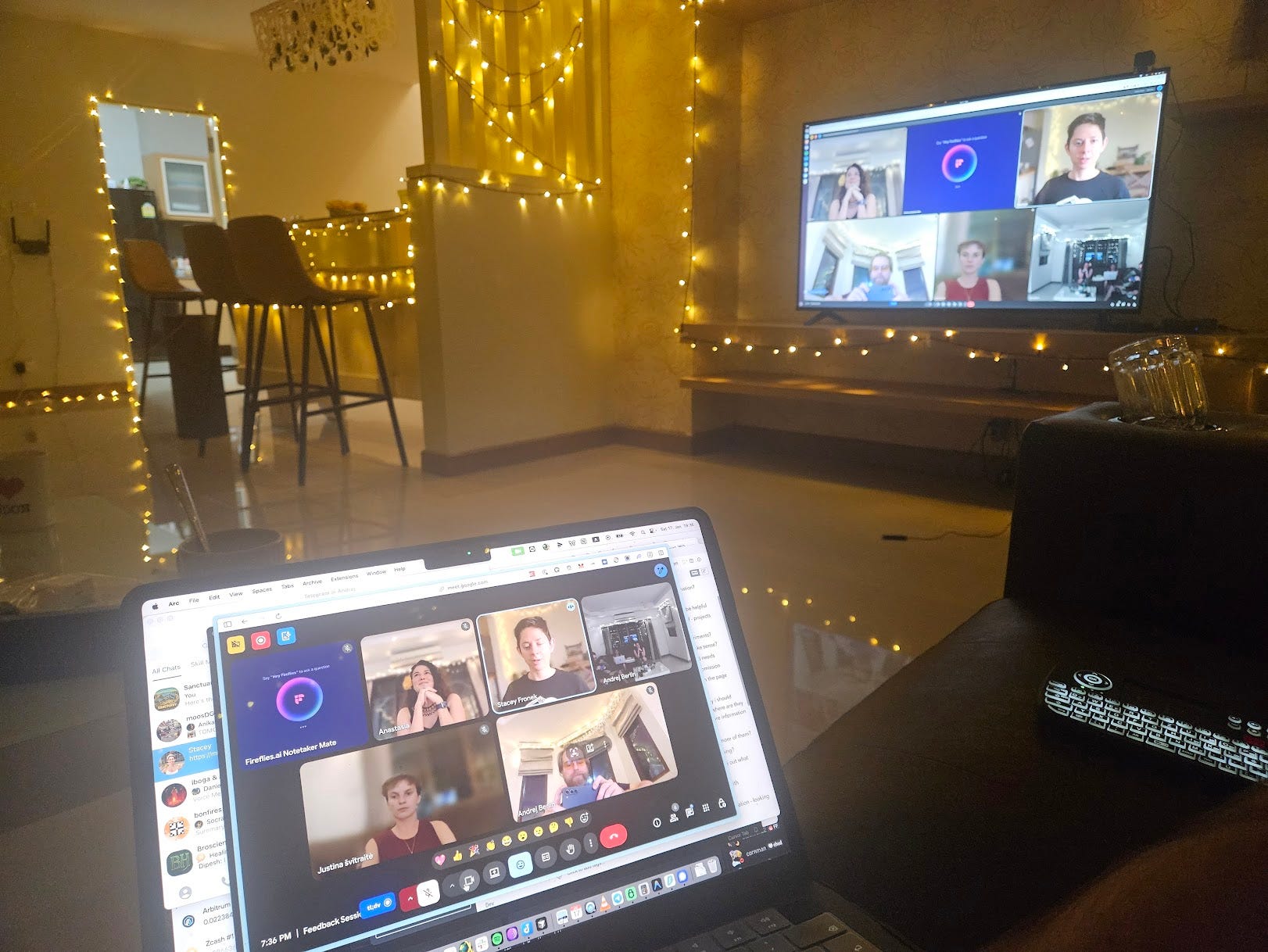
The feedback sessions were useful, but there was no distinct “Sanctuary” experience online. We hypothesize that it will require an entirely separate effort.
Transforming “surveys” into delightful contributions
We were able to collect the data above thanks to the group’s effort to sit down and provide it. A few had challenges doing it quickly, and I assume that this is not going to change for others. I am looking into how games and narratives can reduce the effort of data provision and shift from a tedious process to a magical experience.
Making Sanctuary financially viable
This time, we were also taking a closer look at economics.
Who is Sanctuary for at this point? So far, it seems like it’s web3 native creators/builders with flexibility to travel, looking for peace, focus, and collaborative connection.
And what might different stakeholders pay for? We’re still barely scratching the surface, but here are some directions:
Set up and production: Setting up the Sanctuary is a lot of coordination work that makes itself evident throughout the experience. Multiple participants expressed that it’s fair to pay for the setup (once the workflow is clear).
Research and publication: From the recent Sanctuary case studies and updates in Telegram, I received repeated interest in what we learned (what worked, what didn’t). Doing research is fun, and being able to sustain ourselves by sharing it would be a dream.
Investing in projects: We are supporting a range of products that all solve specific problems with clear value propositions. At the moment, they have not proven viability, and we are still finding out what will make it appealing to invest in. The heuristic is: What would make us confident in funding our projects ourselves? Then invite value-aligned investors to join us, experience it, and financially support the projects they want to accelerate.
Investing in a permanent space: Real estate investment alone is a common inflation hedge, particularly in times of economic uncertainty. However, the global financial system is shifting towards a more accessible and equitable system, where isolated real estate investment is becoming less appealing. A productive entity with local impact within a physical space can increase the value of investments. The following Sanctuaries should be designed to support investors’ confidence in investing in a physical space.
→ The current bottleneck: Participants
In order to keep refining the economic design, we need to run more experiments and have more people participate. The more we research, design, and work together, the better we can describe what’s worth funding and how.
I’m going to focus on making it easier and more fun to experience the Sanctuary in a shorter time. And then design systems to make it easy for us as a community. This will mean hosting salons, social media automation, easier research publishing, mini games, more fun experience hosting etc.
Bonus insights: What we didn’t expect
Connecting to the local environment
If pop-up events/villages/cities like Sanctuary want to avoid isolation and extraction of the environment they embed themselves in, how might they meaningfully connect with and be valuable to locals?
After arriving in the first week, I met with friends who have lived in Chiang Mai for a long time. Thanks particularly to Dev, Vivian, and Natalie for sharing their knowledge, hosting workshops, and introducing me to other people before the team arrived.
A recurring theme I heard from them was: “Don’t try to solve the problems of locals”.
💡 For those outside of the web3 bubble: Crypto and AI innovation attempts to accelerate development of digital infrastructure on a planetary scale. Having a theoretical concept for how “anyone in the world” can make more money, “eliminate homelessness” and “live in peace and harmony” can attract naïve VC investment and… a lot of hubris.
It’s common for founders to lead with a solution and claim that they can solve complex social problems by asking people to just download their wallet or “buy their token”. Which is extra silly in areas where people don’t have a phone.
Hence, the caution is justified.
We did our best to be as mindful as possible and came with the intention to learn. This led to multiple unexpected experiences:
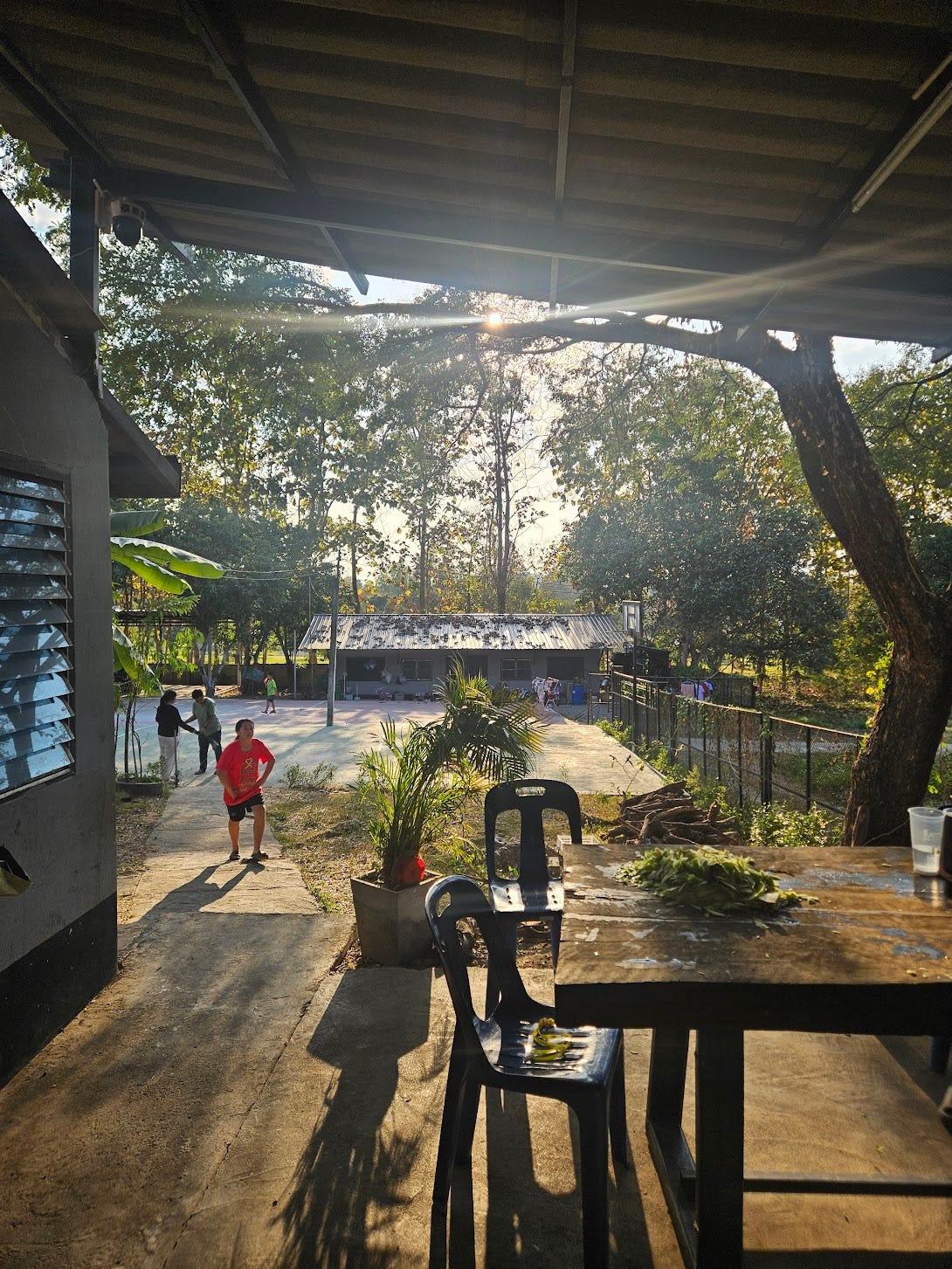
A trip to a kids’ shelter that inspired Mate to think about automating some of their tedious admin tasks.
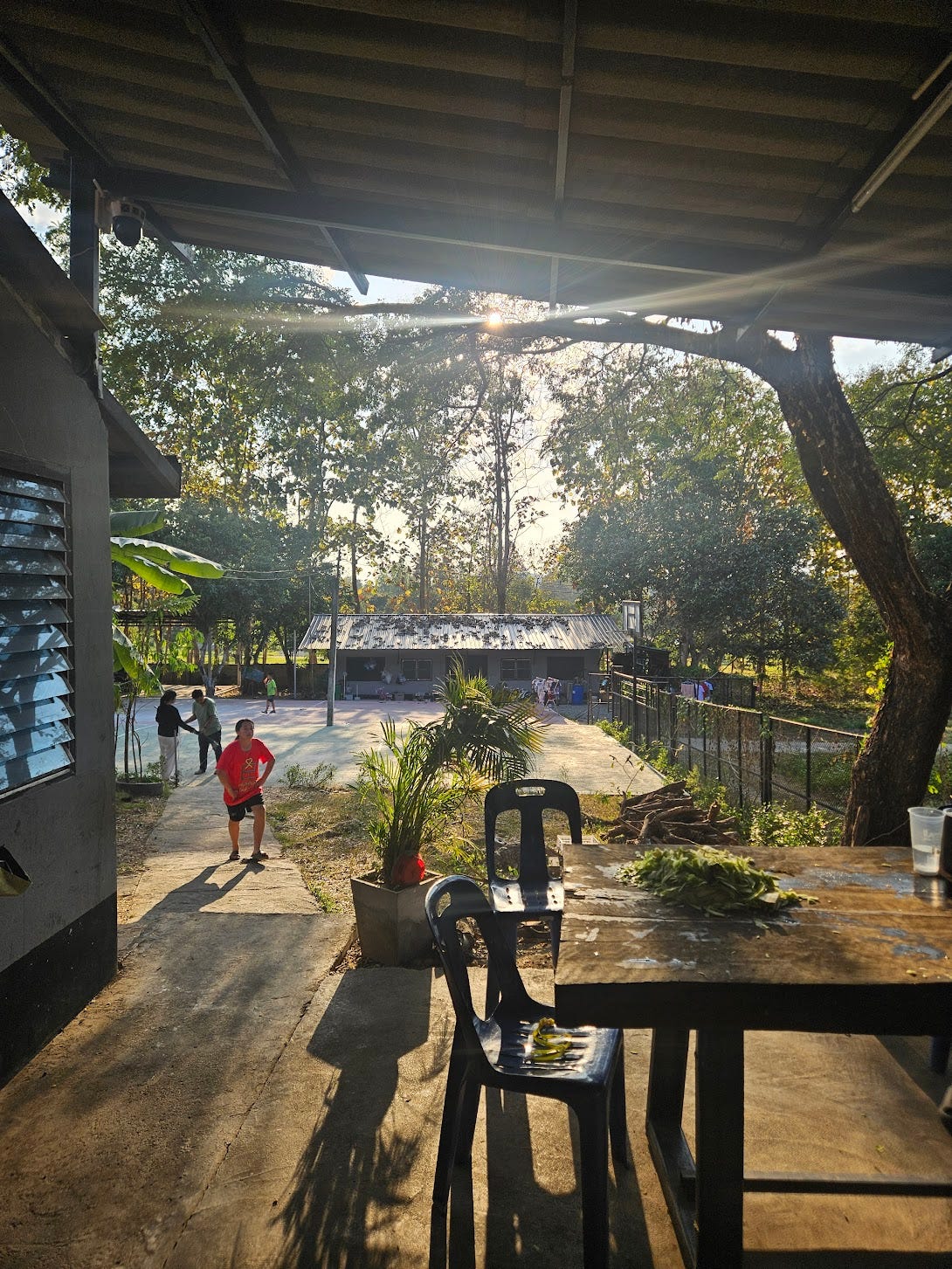
A trip to a local festival, where Matt and I learned from organisers, performers, and guests about how it works - and inspired our community-focused approach to Sanctuary’s economic model.
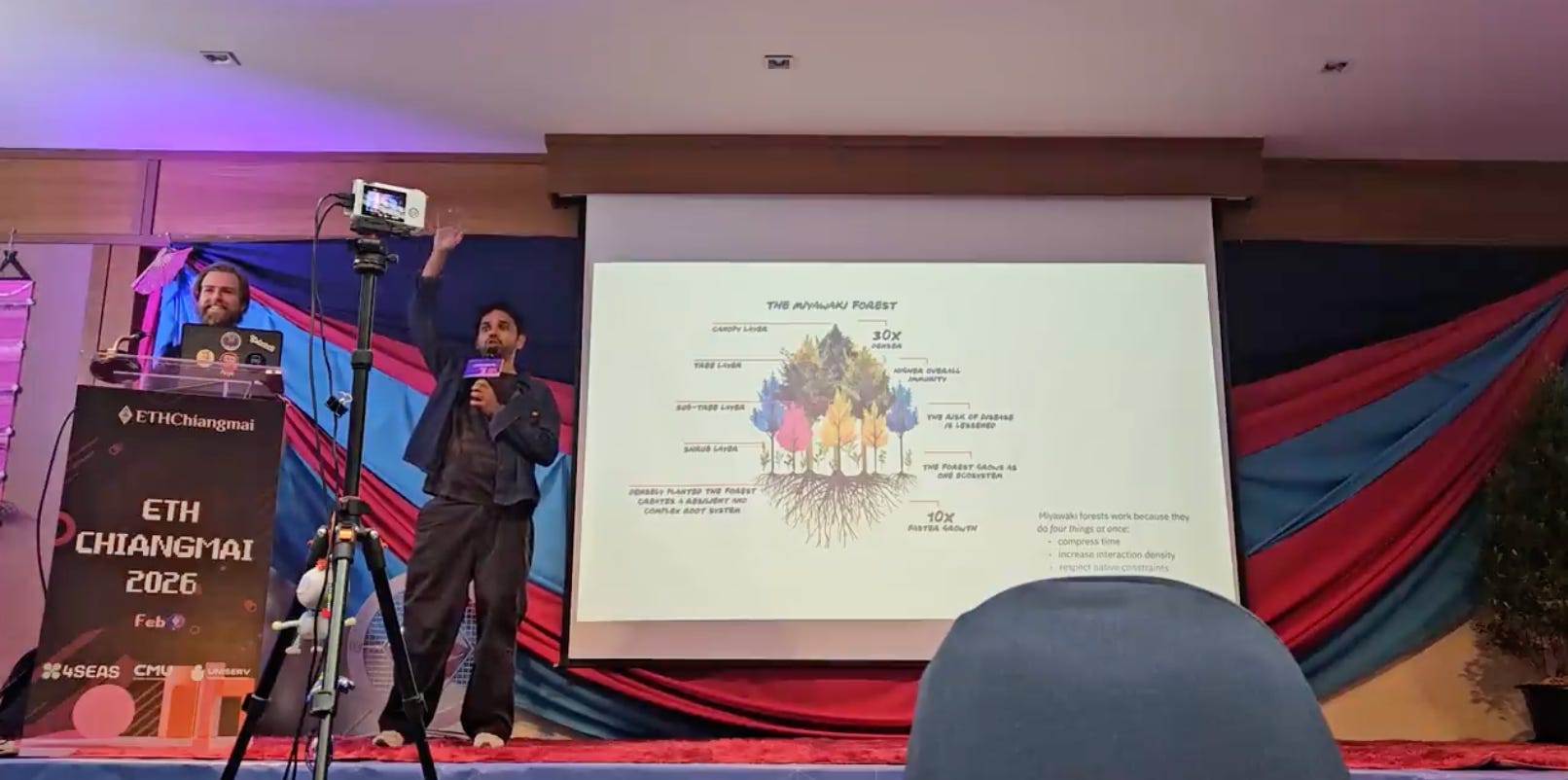
Matt and I did a workshop about “autonomous city pilots“ at EthChiangmai with students from Chiang Mai University.
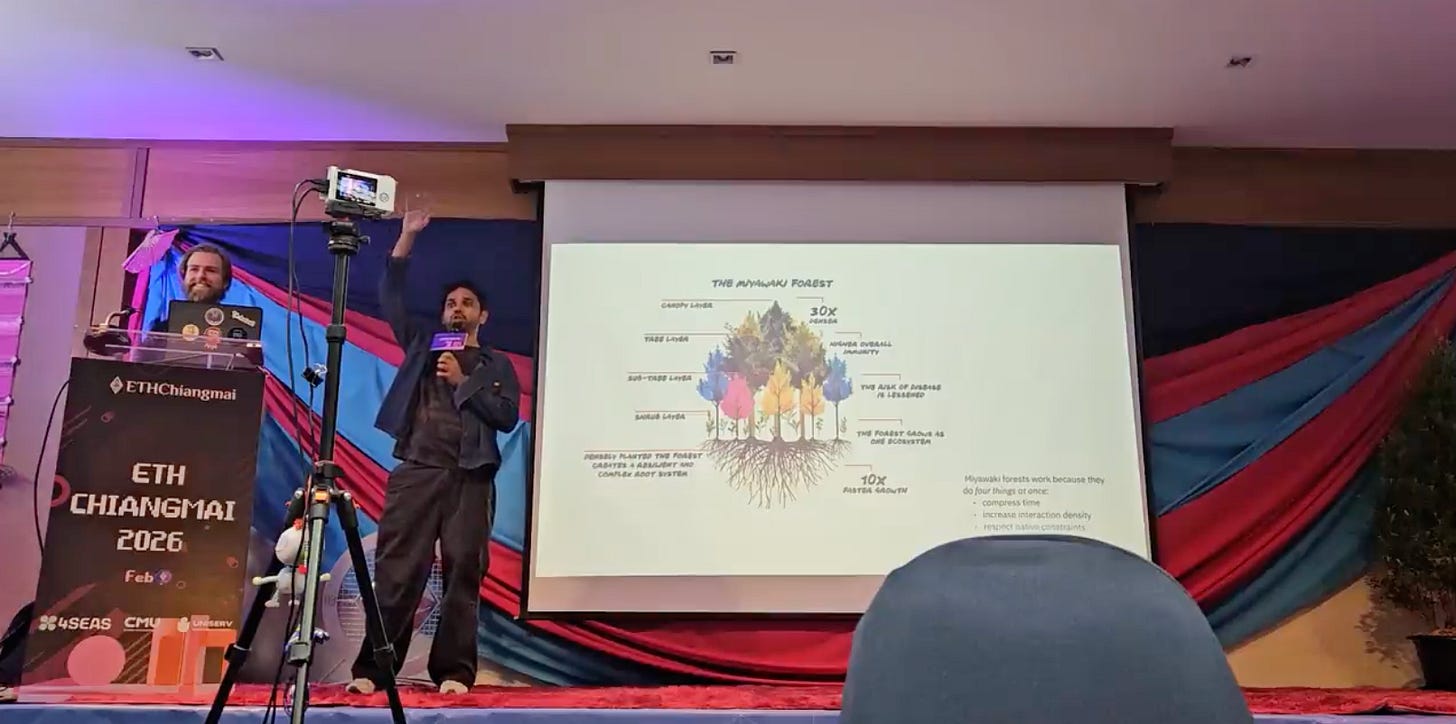
Exploring longevity-related events and meeting with Jason, who runs breath work and ice-bath sessions.
We did not build anything substantial (yet), but we learned how helpful it is to have “local anchors”. Those who know the place and can make introductions to locals we can learn from, collaborate with, and develop relationships with.
Sticking to the script
It’s great to feel like leaning back from hosting if everyone pays attention to co-creating the space. Hoewever, my responsibility is promising an experience and completing it. This time I fell on my face by skipping a few parts of my “script“ as host, like missing to facilitate the closing ceremony. Mishaps like these may seem small, but they are particularly painful because an incomplete/weird end can change participants memory and make them feel uneasy about the entire experience.
For the future, defining the Producer and Host roles will not just help us/me remember and improve processes but also help with accountability, and making sure we don’t skip crucial parts.
Approach
Below is a simple breakdown of the design process for this Sanctuary. I will keep it short as it’s mostly for internal purposes. Let me know if you’re interested in more details.
Initial planning
Hypothesis & Location
What do I want to learn or do? Who can I learn from or create something with?
Where is the best place to meet? Who owns a place? Is there a cheap location that meets the Sanctuary values?
Who is at least one person who wants to join?
Setting up
What should Sanctuary look like? Any specifics or themes we already know that will make it unique?
Find Airbnb, estimate costs, create 1-pager.
Start the application process and send around the onboarding survey.
Interview everyone who would like to join about their interests.
Confirm applications and book a place.
Brainstorm our focus areas and co-create the final artefact (showcase and publication) as a forcing function
Co-create research plan + schedule
Update 1-pager
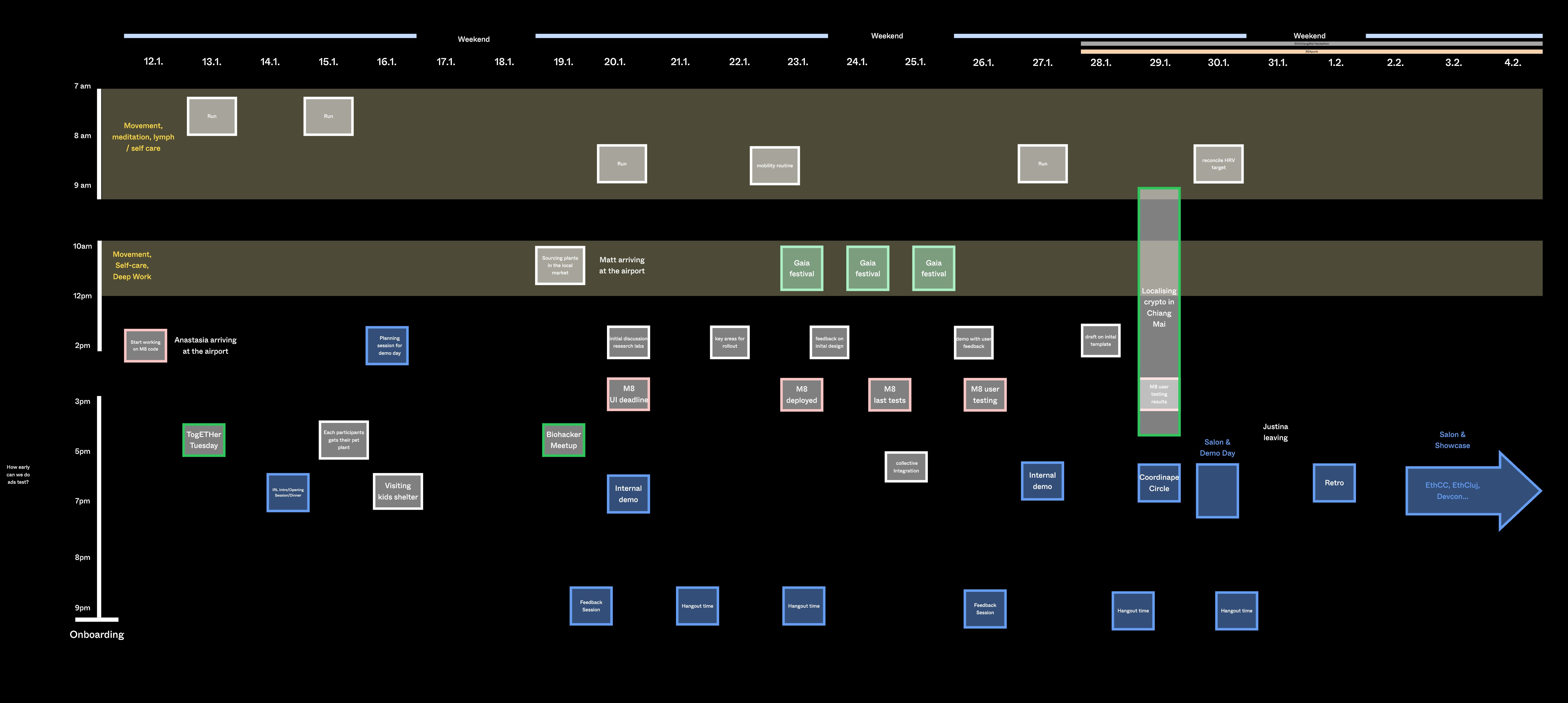
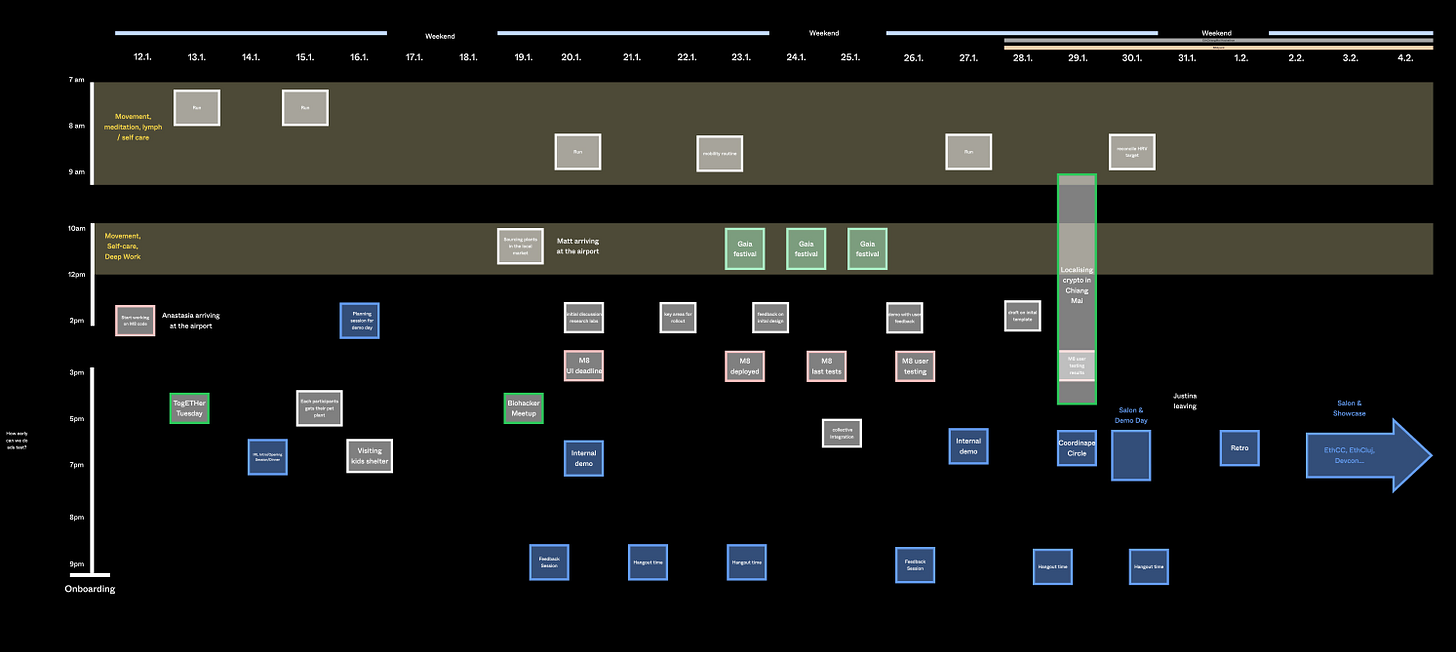
On-location process
Onboarding and kick-off (what you should know and introduce everyone else)
Morning check-ins
Peer-feedback sessions & user testing
Ethnographic research (visiting other locations)
Showcase in front of guests (twice, to have a test round)
Closing circle
Closing survey
Post-Sanctuary Wrap-up
Publication & Report
Final accounting
Software
Claude Code was helpful in putting together a series of tools that made data collection and sharing easier:
Onboarding, mid-Sanctuary, completion survey (DM me for raw data)
Skill-share/marketplace (deprecated)
What’s next? Where next?
The next Sanctuary chapter will take place in Portugal, at the Valley near Lisbon in early March. If you’d like to know who else will be there, and interested in joining, send me a message, we can explore topics like:
Narrativising the Sanctuary experience and making it feel like a game
Testing management and coordination practices to improve workflow
Engage in critical discourse on regenerative agriculture and permaculture
And whatever interests you! We will consolidate more details in the next days.
Have a great start to the week and see you soon!